KINGSTEEL and D3O Launch Strategic Development Partnership to Advance Next-Generation SCF and High-Performance Protection Applications
TAIPEI and LONDON, June 10, 2026 /PRNewswire/ -- KINGSTEEL recently visited D3O, a global leader in advanced protection materials, where the two companies officially initiated a strategic development partnership focused on next-generation SCF applications and advanced manufacturing solutions. The collaboration brings together complementary expertise in material science and manufacturing technology to explore future opportunities in high-performance protection applications.
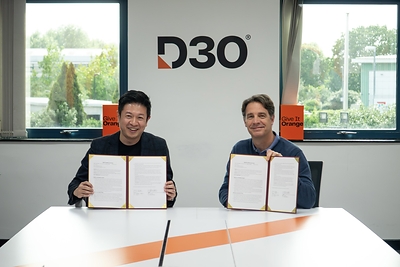
D3O is internationally recognized for its advanced protective materials and impact protection technologies, with applications spanning sports, industrial, and other high-performance sectors. The company works closely with leading global brands in markets where protection, comfort, and performance are critical.
KINGSTEEL has continued to invest in physical foaming injection molding technologies, process innovation, equipment development, and scalable manufacturing integration. Through years of technical development and real-world production experience, KINGSTEEL has established strong capabilities in process control, equipment engineering, and manufacturing solutions for advanced material applications.
Both companies believe that the future of high-performance products will increasingly depend on deeper integration between advanced materials and advanced manufacturing technologies. This partnership combines D3O's expertise in material science and product performance with KINGSTEEL's strengths in process technology and scalable production capability to jointly accelerate next-generation SCF development.
The collaboration will focus on future applications involving impact protection, vibration management, shock absorption, and other high-performance product solutions, while continuing to explore new opportunities across emerging application areas.
According to KINGSTEEL, this partnership represents not only an important milestone between the two companies, but also reflects a broader industry trend toward closer collaboration between advanced materials and next-generation manufacturing technologies to deliver higher-value products and future-oriented manufacturing solutions.
 View original content to download multimedia:https://www.prnewswire.co.uk/news-releases/kingsteel-and-d3o-launch-strategic-development-partnership-to-advance-next-generation-scf-and-high-performance-protection-applications-302794751.html